
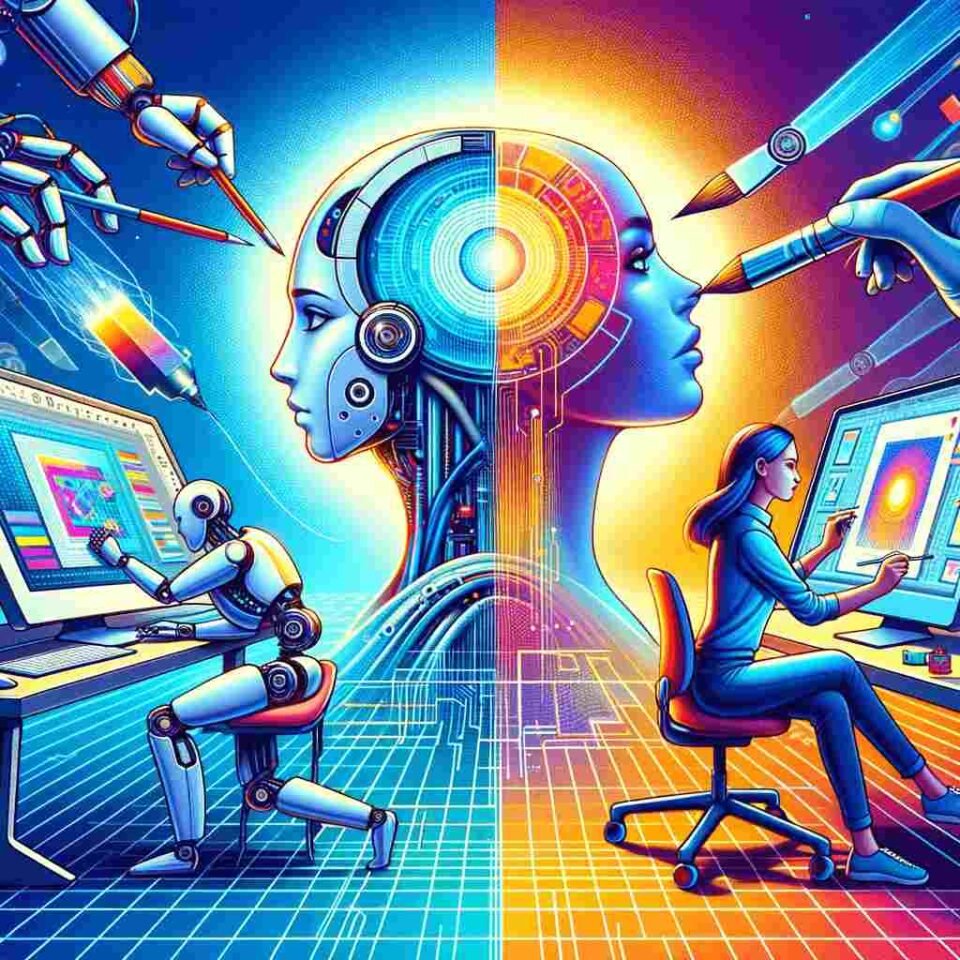
Branding in 2026 is defined by a powerful intersection of technology and humanity. Artificial Intelligence has become an integral part of how brands operate, communicate, and scale, yet consumers are increasingly drawn to brands that feel authentic, ethical, and emotionally human. This creates a defining question for modern businesses: How can brands embrace AI without losing their human essence?
The answer lies not in choosing sides, but in creating harmony between human values and artificial intelligence.
The New Reality of Branding in 2026
Contents
Branding has evolved far beyond visual identity and marketing messages. Today, it represents the total experience a customer has with a brand — from the first digital interaction to long-term loyalty. AI now supports nearly every branding function, including personalization, content creation, customer insights, and performance optimization.
However, as AI tools become more accessible, many brands begin to look and sound similar. Automated messaging, templated visuals, and data-driven storytelling often lack individuality. In this environment, human values have emerged as the true differentiator.
How Artificial Intelligence Shapes Modern Branding
Artificial intelligence plays a crucial role in helping brands operate efficiently and intelligently.
Personalized Brand Experiences
AI enables brands to deliver tailored content, recommendations, and communication based on user behavior, preferences, and intent. This level of personalization enhances engagement and relevance.
Speed, Scale, and Consistency
AI allows brands to produce and distribute content faster while maintaining consistency across platforms. It reduces operational costs and allows teams to focus on strategic growth.
Smarter Brand Decisions
By analyzing large data sets, AI helps brands understand customer journeys, identify trends, and optimize campaigns with precision.
Despite these advantages, AI remains emotionally neutral. It can process emotions but cannot genuinely understand or express them. This limitation highlights why human values remain central to branding success.
Why Human Values Are More Important Than Ever
As technology advances, customers seek deeper emotional connections.
Trust Is Built Through Authenticity
Trust cannot be automated. Brands earn trust by being transparent, honest, and consistent in their actions. Human-led communication feels more sincere and relatable than fully automated messaging.
Emotional Connection Drives Loyalty
People form emotional bonds with brands that reflect their beliefs and experiences. Empathy, compassion, and storytelling create memories that last far longer than optimized ad copy.
Purpose Shapes Brand Identity
Brands that have a purpose are preferred by modern consumers. Values such as sustainability, inclusivity, fairness, and social responsibility directly influence brand perception and purchase decisions.
Human Values vs Artificial Intelligence: A False Debate
The idea that AI will replace human branding is a misconception. In reality, the strongest brands in 2026 are those that combine both effectively.
- Humans define brand purpose, values, and voice
- AI supports execution, optimization, and scalability
- Humans provide emotional intelligence
- AI provides analytical intelligence
Brands that rely solely on AI risk becoming generic and disconnected. Brands that ignore AI risk inefficiency and irrelevance. Balance is the foundation of future-ready branding.
Key Branding Trends Defining 2026
Human-Led Brand Voice
Even when AI assists with drafting content, final messaging is shaped by humans to maintain authenticity and emotional depth.
Ethical and Transparent Branding
Consumers expect brands to be honest about how AI and data are used. Ethical practices strengthen trust and credibility.
Imperfect, Relatable Design
Over-polished, machine-perfect aesthetics are being replaced with more natural, human-inspired visuals that feel approachable.
Experience-Driven Branding
Success is measured by how a brand makes people feel, not just how widely it is seen. Human-centered design plays a vital role here.
How Brands Can Succeed in 2026
- Define Core Values Clearly: Establish what your brand believes in before integrating AI tools.
- Use AI as a Support System: Let AI enhance efficiency while humans guide strategy and storytelling.
- Invest in Human Creativity: Creativity rooted in real experiences creates deeper emotional impact.
- Maintain Transparency and Ethics: Be open about automation, personalization, and data usage.
- Focus on Long-Term Relationships: Branding is about trust and loyalty, not short-term attention.
Conclusion
Branding in 2026 is not about human values versus artificial intelligence — it is about human values empowered by artificial intelligence. AI brings speed, scale, and intelligence, while human values bring trust, empathy, and meaning.
In a world increasingly driven by automation, brands that feel human will stand out. Those that align advanced technology with authentic purpose will build stronger connections, deeper loyalty, and lasting relevance.
Frequently Asked Questions (FAQs)
Will artificial intelligence replace human branding professionals by 2026?
No. AI will support branding professionals by improving efficiency and insights, but creativity, strategy, and emotional intelligence will always require human leadership.
Why are human values important in AI-driven branding?
Human values create trust, emotional connection, and authenticity—qualities that AI cannot genuinely replicate.
Can AI understand emotions and culture accurately?
AI can analyze emotional patterns and cultural data, but it cannot truly understand lived experiences, empathy, or social nuance.
How should businesses balance AI and human creativity?
Businesses should allow humans to define brand purpose and storytelling while using AI to support execution and optimization.
What is the biggest branding risk in 2026?
Over-automation without a clear human voice can lead to loss of authenticity, trust, and brand differentiation.
